
By Rinki Pandey December 3, 2025
Payment orchestration plays a major role in enabling a business to improve its approval rates. More than just lost revenue, declined payments upset customers and affect trust. A payment orchestration system puts all your payment providers, tools, and processes within one integrated, intelligent platform. In such a setting, you are better placed to route transactions more efficiently to minimize errors and avoid declines when they are not necessary.
Through the use of smart routing, automatic retries, and finer-tuned fraud controls, payment orchestration increases the chances of payments getting through the first time. The result is a seamless checkout, higher approval rates, and more money coming in without additional effort.
How Payment Orchestration Works
Payment orchestration integrates all payment instruments, gateways, and methods into one smart system that oversees every stage of the transaction. It starts with a customer adding items to their cart, selecting a preferred payment method, and entering their details. The information entered is encrypted and safely passed to the acquiring bank through the payment gateway. Once the issuing bank verifies this information, the orchestration platform jumps in to find the best route for the payment regarding cost, speed, location, and reliability.
First, the transaction is routed through the most suitable gateway; if it is slow or unavailable, it instantly reroutes the payment to another provider to avoid disruptions. In case of a failure due to a decline or technical error, the platform automatically tries alternative routes or methods to complete the payment. This intelligent automation enables a business to reduce failed transactions, provide a much smoother checkout, and maintain high approval rates.
Payment orchestration thus offers a plethora of beneficial features, including multiple gateway support, intelligent routing, strong fraud detection capabilities, compliance for built-in security, and real-time monitoring. These all come together to help a business offer a reliable payment experience, protect sensitive data, more effectively analyze transactions, and meet customer needs across diverse markets.
What Is a Good Transaction Success Rate
A good transaction success rate normally rests around 95 percent or above for most businesses, though the ideal number can fluctuate based on your industry, location, and customer type. As an example, e-commerce brands and subscription services often push for even higher rates because every failed payment processing directly impacts repeat revenue and customer loyalty. Businesses that fall under high-risk categories or operate in areas with tight rules and strict regulations may not hit the 95 percent threshold because of harder conditions for approvals.
What really matters is that even small improvements make all the difference. Imagine having a current success rate of 90 percent and shifting it up to 95 percent on 10,000 monthly transactions; that represents 500 more payments going through. Those extra approvals can easily add up to thousands of dollars in revenue you would have otherwise lost.
Key Challenges of Transaction Success Rates
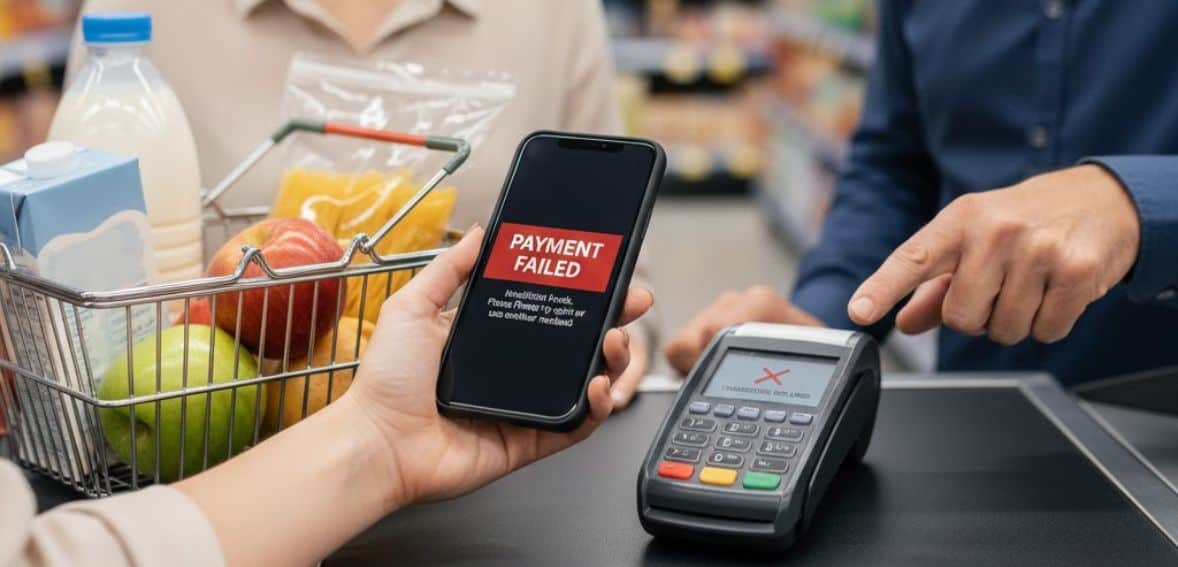
Reaching a high transaction success rate can be more difficult than it seems, since so many issues can interrupt the payment process. Firstly, payment network failures are one of the major issues, particularly as so many gateways face downtime during busy seasons, leading to abandoned customers and lost revenue. Secondly, fraud checks create another potential barrier. While fraud protection is very important, many of these strict filters misjudge authentic customers as risky, leading to unnecessary declines.
Thirdly, another challenge is offering very few methods of payment. Shoppers want choices, and if they can’t pay the way they want to, they will often leave the checkout. It gets even worse for those selling in multiple countries, since several regions require specific payment types or have currency restrictions. Additionally, card declines are another layer of trouble. When cards are expired or balances are too low, it creates issues at the checkout. Many of these are soft declines that could have gone through with better timing or smarter routing.
How Payment Orchestration Improves Transaction Success Rates

Payment orchestration makes a significant difference in approval rates by granting enterprises more control over how each transaction will be processed. Firstly, rather than depending on a single gateway, it integrates various providers and makes use of smart logic to route the payments in the most efficient manner.
This minimizes the probability of declines that may result from regional restrictions, downtime, or provider-specific problems. With the use of intelligent routing, each payment is automatically forwarded to the PSP that is most likely to approve it based on location, card type, and currency. If one gateway falters, the transaction is forwarded immediately to another.
Secondly, another way orchestration boosts approval rates is through smart retries. When a payment fails for some temporary reason, the platform can retry it at a better time or through a different PSP. This is particularly useful for soft declines that can often turn into successful approvals when handled properly. No longer will businesses lose revenue simply because a card issuer was slow to respond or because a network glitch occurred.
Fraud filters also play a significant role. Traditional fraud tools sometimes decline their genuine customers, while orchestrated systems use smarter real-time analysis to tell the difference between suspicious activity and normal behavior. This way, false declines are minimized without any reduction of protection. Network tokenization and account updater tools also help to keep customer data up to date and secure, which prevents issues like expired cards or outdated details blocking payments.
Finally, a multi-PSP framework creates a safety net that no single-gateway setup can match. With multiple options for processing always at their disposal, businesses confidently operate across regions, avoiding even the slightest hint of disruption. Modern tools help to route payments based on card type and geography, to make sure each transaction has the best possible chance of approval.
Benefits of Improving Transaction Success Rates

Improving your transaction success rate has real benefits for your business. First, this increases revenue directly, as every approved payment is money that might be lost to avoidable issues such as network errors or false fraud alerts. A higher success rate will create a better experience for customers, as nothing is more frustrating for a shopper than a payment that fails for no good reason.
Secondly, when payments go through smoothly, customers complete their purchase faster, reducing cart abandonment and boosting conversions. As payment problems disappear, trust and loyalty will organically develop, and customers are more likely to return. A reliable payment experience gives you an edge over competitors who still struggle with failed payments.
Thirdly, better approval rates often come hand-in-hand with better fraud control because fewer false positives allow more actual transactions to get approved while keeping fraud in check. Finally, strong approval rates strengthen your relationship with processors, helping you seem like a low-risk merchant, which sometimes can mean better fees or faster payouts.
Implementing Payment Orchestration

Firstly, it all begins with selecting the proper platform for payment orchestration, which makes a great difference in how seamlessly your payments will run. Every business should consider how well a platform might grow with them, how flexible it is, the strength of its security features, and whether it can easily connect with diversified methods of making payments. Secondly, the provider should be reputable and competent to ensure support from onboarding and ongoing support.
Thirdly, once a platform choice has been made, it then needs to fit smoothly within the existing systems. In other words, it must integrate seamlessly with your website, Point of Sale tool, Enterprise Resource Planning software, and every other platform that you use. Good APIs and developer tools make this process easier by supporting your team in customizing the setup without major disruptions.
Security is another important element of implementation. Since payment orchestration entails sensitive financial information, the platform should adhere to rules such as PCI DSS and all other relevant regulations. Strong tools such as encryption, tokenization, and secure authentication will help to protect customer information and prevent unauthorized access.
Lastly, it requires regular monitoring for improvement. Businesses can continue optimizing their payment flow through regular performance reviews, analysis of data, and understanding customer behavior. This way, the system will also stay updated and ready to support future growth by paying attention to new technologies, industry trends, and changes in regulations.
Financial Impacts of Payment Orchestration
Payment orchestration can make a big difference financially for any business. It cuts costs by selecting the cheapest payment providers, reducing the number of failed payments, and lowering chargeback and administrative costs. It boosts revenue by reducing cart abandonment, increasing conversions, and offering many payment methods and currencies, so more customers can easily pay.
Secondly, cash flow improves, too, because the routing of payments is smoother, settlement speed increases, and reconciliation becomes automated. In addition, these platforms fortify financial management by improving fraud protection, maintaining compliance with global regulations, and providing a single, crystal-clear view of all your payment data.
Let’s not forget customers stay longer, too, since a smooth and secure payment experience earns trust and loyalty. Finally, with payment orchestration, efficiency improves at the core by automating key tasks and keeping the continuity of payments uninterrupted in case of one provider going down.
Challenges of Payment Orchestration
Payment orchestration, while being highly beneficial, has its own fair share of drawbacks. Firstly, integrating several payment providers and gateways into one system can take time and requires strong technical skills; often, compatibility problems make the process much slower. Secondly, since these platforms deal with sensitive financial data, security becomes a huge concern, and businesses have to lean on encryption, tokenization, and robust fraud tools.
Thirdly, they also have to adhere to stringent regulations such as PCI DSS and GDPR, adding another layer of responsibility. The cost of setup and maintenance can be high, particularly if companies need to hire experts or outside consultants. Moving to an orchestration system simply implies that existing workflows are altered; a well-framed change management plan should therefore be required to avoid confusion.
Additionally, sometimes, the platform may not offer complete customization, so businesses will have to manage with what is available, which can be very limiting. Also, since orchestration depends on multiple third-party providers, even an outage or technical problem at one place can disrupt the whole payment process.
Conclusion
Payment orchestration creates a smooth, intelligent, and reliable payment process for both businesses and customers. By connecting multiple gateways, improving routing decisions, preventing fraud, and keeping payments secure, it is able to help companies increase approval rates and reduce disruptions.
Additionally, payment orchestration offers better visibility through real-time monitoring, thus helping businesses understand and improve their payment performance. In general, payment orchestration accelerates the checkout experience, ensures support for global customers, and helps each business manage its payment operations with more efficiency and confidence.
FAQs
What is payment orchestration?
Payment orchestration links several payment gateways into one platform for easy processing, higher approval rates, and fewer failures.
How does payment orchestration improve approval rates?
Yes, it protects sensitive payment data by using encryption, tokenization, fraud detection, and compliance with industry standards.
Who needs payment orchestration?
Any business dealing with multiple countries or high volumes of transactions benefits from smoother, faster, and more reliable payments.
Who needs payment orchestration?
Any business dealing with multiple countries or high volumes of transactions benefits from smoother, faster, and more reliable payments.
Does payment orchestration support multiple payment methods?
Yes, it supports cards, wallets, bank transfers, and local payment options to help customers pay the way they want.